
Pause · Notice · Choose
A colouring book for emotional regulation that creates space before the next response.
Emotional regulation is not about never feeling upset. It involves noticing what is happening, reducing immediate overwhelm where possible and choosing a safe, useful next step. Colouring can be offered as one structured activity within that wider process.
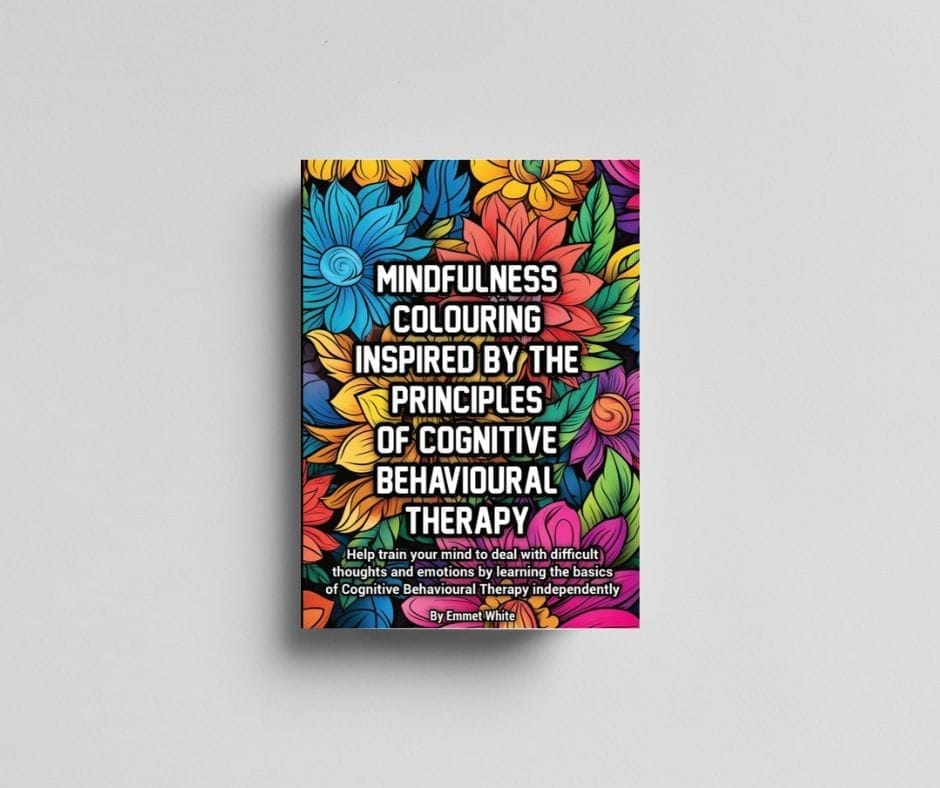
Clear answer
How can colouring fit into a regulation routine?
A familiar page and a small set of pencils can provide a predictable task during planned calm time or a supported transition. It will not suit every person or every moment. The activity works best when it is optional, introduced before a crisis and combined with the individual’s existing communication and support plan.
Why people choose it
A practical resource with room for individual choice.
Predictable structure
The page makes the next action visible: choose a section, select a colour and begin within the lines.
Non-verbal option
A person can engage quietly before deciding whether they want to speak about a feeling or prompt.
Repeatable routine
Using the same materials and sequence can make a calm-time activity easier to recognise and begin.
01 · Practical guidance
Regulation begins with noticing, not suppression
Feelings carry information, and strong feelings are not a failure. The aim of a regulation activity is not to punish emotion or insist that someone appear calm for other people’s comfort. A better aim is to support safety, awareness and enough space to make the next choice.
Colouring can contribute by narrowing attention to a manageable physical task. The CBT-inspired prompt may later help connect the situation, thought, feeling and action. During high distress, however, the words may need to wait while established support and safety steps take priority.
- Introduce the book during a calm period
- Let the person choose whether to use it
- Keep sensory preferences in mind
- Never withhold other support until a page is completed
02 · Practical guidance
Adapt the activity to the person
Some users enjoy intricate designs; others find detail demanding. Some prefer strong pencil pressure, a quiet room or company nearby. A page that helps one student or client may frustrate another. Choice and observation matter more than a standard script.
Offer fewer colours if decisions are tiring, identify one small starting area and make stopping acceptable. For neurodivergent users or people with sensory needs, the adult or professional should consider materials, sound, lighting, motor demands and communication preferences.
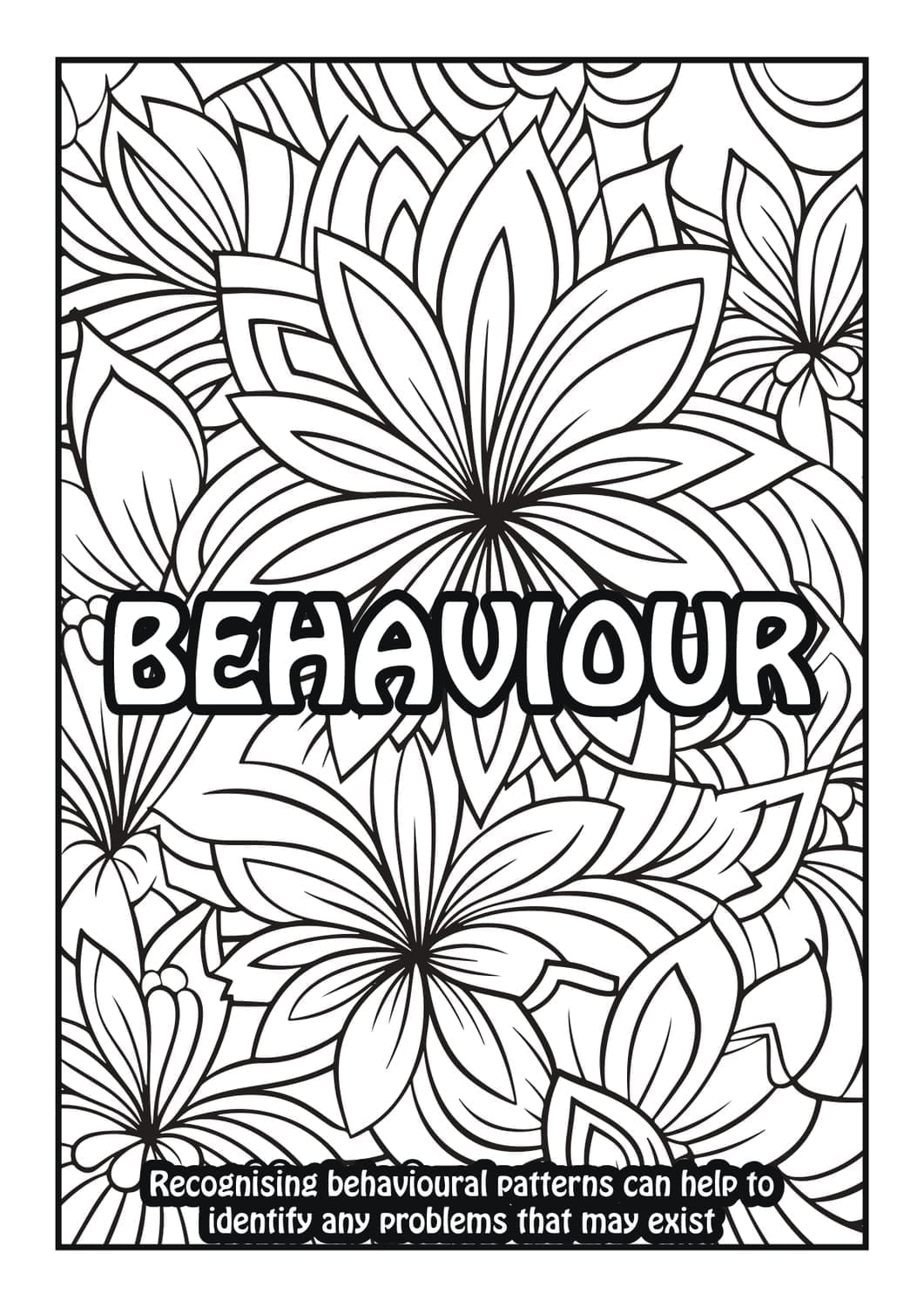
Inside the resource
One design, one prompt and space to use both your way.
Every page combines detailed artwork with a concise prompt connected to thoughts, feelings, behaviours, perspective or everyday wellbeing. The prompts are invitations rather than tests.
- 50 large-format A4 pages
- CBT-inspired reflection wording
- Printed book and separate eBook
- Suitable for personal and supported use where appropriate
03 · Practical guidance
Use reflection after enough calm has returned
A prompt is most useful when the person has the capacity to consider it. Later, they might identify what happened, what thought appeared, where they noticed the feeling and what helped. This can build language and awareness without treating the colouring page as a behaviour chart.
Where a school, family or practitioner already uses an agreed regulation plan, the book should fit around that plan rather than replace it. Significant or persistent difficulty requires assessment and suitable professional support.
A simple process
Create an optional calm-time routine
Introduce
Explore the book at a neutral time so it is familiar before anyone feels overwhelmed.
Offer
Use clear, non-demanding language: “Would colouring or another quiet activity help right now?”
Support
Adjust page, colours, space and duration to the individual instead of insisting on one method.
Reflect later
When appropriate, notice what helped and add that information to the person’s wider regulation plan.
Choose your format
One complete resource. Two practical ways to use it.
Mindfulness Colouring Book
A ready-to-use physical book with all 50 pages together.
Mindfulness Colouring eBook
Download the eBook and print authorised pages when needed.
Questions answered
Frequently asked questions.
These answers describe the resource accurately and avoid promises that a colouring book cannot make.
Will colouring regulate every person?
No. Responses are individual and can change by day or situation. Colouring should be one optional tool among several appropriate supports.
Should someone finish the page before leaving?
No. Completion should not be used as a condition for support, transition or participation. The person can stop when needed.
Can this be used in AEN settings?
It may be useful for some students when chosen by staff who know the learner and can adapt the activity. See the dedicated AEN resource page for practical considerations.
Is the book a behaviour-management programme?
No. It is a creative wellbeing resource and should not be used to label, reward or punish emotional responses.
Important support information
A colouring book is not crisis or clinical support.
Talk to a GP or qualified mental health professional when distress is persistent, worsening or affecting daily life.
EZ Wellbeing
Add a calm, optional activity to the wider plan.
View the printed resource, printable edition and school or practice order options.