A Screen-Free Pause for Teenagers
Mindfulness colouring for teenagers without making wellbeing feel like another assignment.
Teenagers are often asked to talk, write or perform wellbeing in a particular way. Colouring offers a different starting point: a private, creative task that can be used for a short pause, while optional prompts make room for reflection without requiring public disclosure.
Clear answer
Why might a teenager choose mindful colouring?
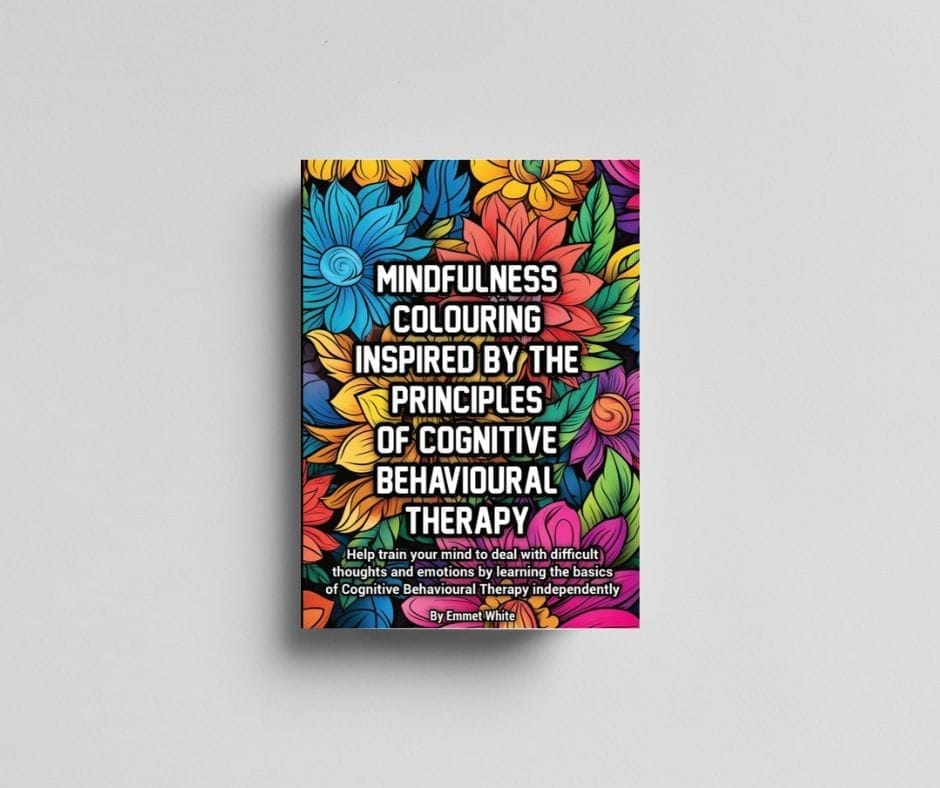
It provides a concrete break from study and screens, does not require drawing from scratch and can be done alone or in a supported setting. It will not appeal to every teenager and should never be presented as a punishment, childish activity or replacement for help when a young person is struggling.
Why people choose it
A practical resource with room for individual choice.
Private pace
A teenager can think about a prompt without writing an answer or sharing it with a class or adult.
Study transition
One section of a page can mark a planned break before returning to revision or homework.
Creative ownership
There is no correct colour choice, allowing the finished page to feel individual rather than graded.
01 · Practical guidance
Respect matters more than enthusiasm from adults
A well-meaning adult can make any wellbeing activity feel uncomfortable by insisting that it will help. Offer the book honestly: it is one optional way to take a screen-free pause and consider a prompt. Let the teenager decide whether the style suits them.
Avoid describing colouring as “for little children” or, at the other extreme, making exaggerated mental health claims. The detailed A4 pages are designed to feel substantial, but personal taste still matters. An equivalent alternative should remain available.
- Ask rather than prescribe
- Allow music or quiet according to the setting
- Do not require the finished page to be shown
- Treat refusal as information, not bad behaviour
02 · Practical guidance
Use it around exam and school pressure
A planned colouring break can interrupt a long revision session and give tired attention a different task. Keep the break time realistic and decide the next study step before beginning, so the page supports a transition rather than becoming another source of guilt or avoidance.
The prompts may help a student notice all-or-nothing thinking, harsh self-talk or the difference between a difficult result and a fixed judgement about ability. These ideas should be handled gently and never used to dismiss genuine workload, learning needs or distress.
Inside the resource
One design, one prompt and space to use both your way.
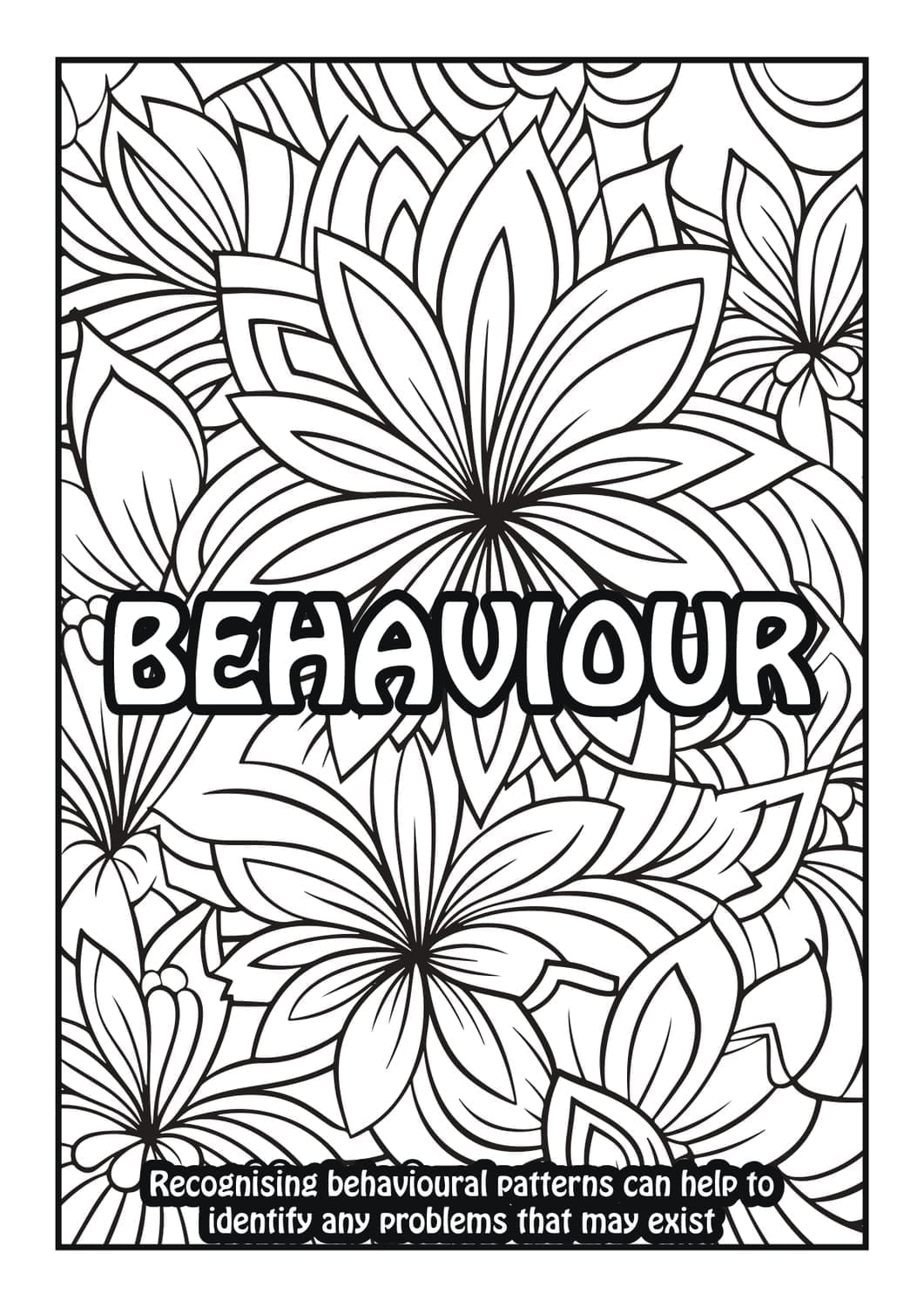
Every page combines detailed artwork with a concise prompt connected to thoughts, feelings, behaviours, perspective or everyday wellbeing. The prompts are invitations rather than tests.
- 50 large-format A4 pages
- CBT-inspired reflection wording
- Printed book and separate eBook
- Suitable for personal and supported use where appropriate
03 · Practical guidance
Know when an adult needs to respond
Colouring is not enough when a teenager is persistently low or anxious, unable to manage daily life, talking about self-harm or suicide, or causing serious concern. A trusted adult should listen and help the young person access appropriate school, GP or mental health support.
In immediate danger in Ireland, call 112 or 999. Free support options are shown in the urgent-help panel below. A creative resource may still be used later if the young person wants it, but safety and suitable care come first.
A simple process
Create a realistic after-school pause
Choose the purpose
Decide whether this is a break after school, between study blocks or simply a creative hobby.
Set one boundary
Pick a loose time or one small section so the activity fits the rest of the evening.
Keep it yours
Use any colours, skip the prompt and keep the page private unless sharing feels useful.
Notice what follows
Decide whether to return to study, rest, talk to someone or continue colouring for enjoyment.
Choose your format
One complete resource. Two practical ways to use it.
Mindfulness Colouring Book
A ready-to-use physical book with all 50 pages together.
Mindfulness Colouring eBook
Download the eBook and print authorised pages when needed.
Questions answered
Frequently asked questions.
These answers describe the resource accurately and avoid promises that a colouring book cannot make.
Is the book specifically for teenagers?
It is a general mindfulness colouring book used by adults and post-primary students. Adults should choose and support use in a way that suits the young person.
Can it help with exam anxiety?
It may provide a calm study break and prompt reflection, but it does not treat anxiety or solve workload. Ongoing difficulty should be discussed with a trusted adult or professional.
Does a teenager have to discuss the prompt?
No. Reflection can remain private. In a class or supported setting, personal disclosure should not be required.
Is there an instant version?
Yes. The eBook gives access to printable pages after purchase, subject to its licence and the availability of a suitable printer.
Important support information
A colouring book is not crisis or clinical support.
Talk to a GP or qualified mental health professional when distress is persistent, worsening or affecting daily life.
EZ Wellbeing
Offer a creative pause and leave the choice open.
Explore the printed book, printable eBook and free sample page.