For Youth Services & Community Settings
A mindfulness resource for youth workers that begins with choice and creative engagement.
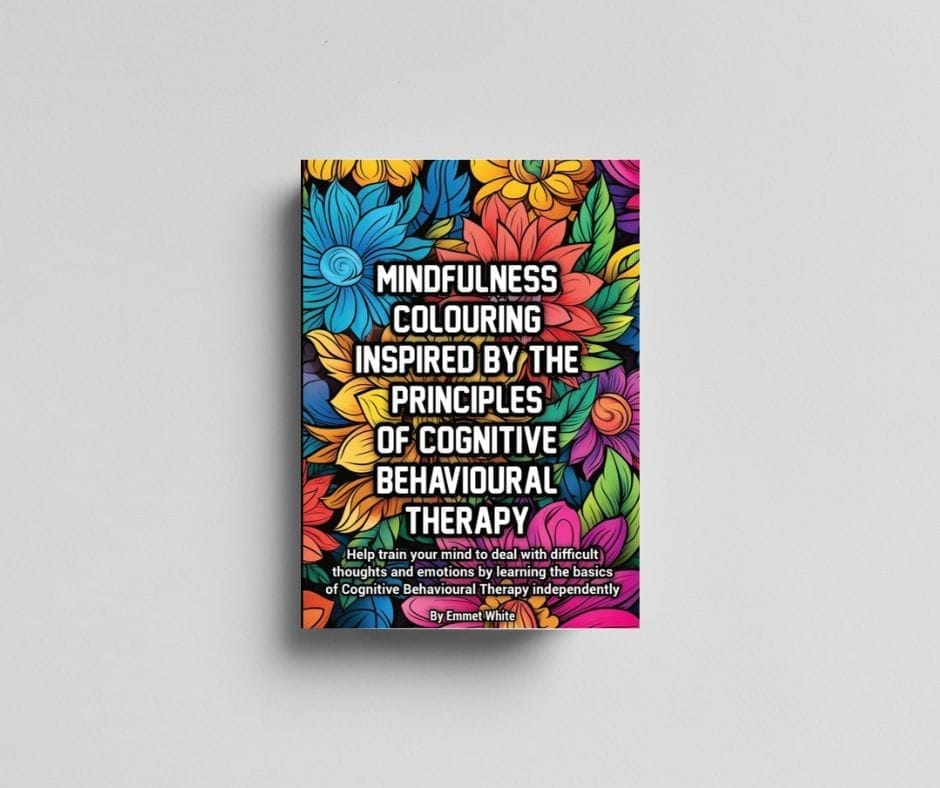
Colouring can create a low-pressure shared activity in a youth group, drop-in space or one-to-one setting. The EZ Wellbeing pages add short prompts about thoughts, feelings and actions while allowing young people to participate without being required to explain personal experiences.
Clear answer
How can youth workers use the colouring book?
Workers may offer selected pages during open activities, planned wellbeing work, transitions or supported conversations. Use should be voluntary, age-appropriate and consistent with the organisation’s safeguarding, inclusion and referral procedures. The book is an activity resource, not a youth mental health intervention by itself.
Why people choose it
A practical resource with room for individual choice.
Works beside conversation
Young people can keep their hands occupied while chatting, listening or deciding whether to engage.
Easy group setup
Printed pages and a shared pencil set can create a quiet station within a broader programme.
No public answer required
Prompts can remain private, helping the activity avoid forced disclosure in front of peers.
01 · Practical guidance
Offer an activity, not a hidden assessment
Young people should know what an activity is for and how any completed page will be used. The book must not be presented as casual colouring while staff secretly interpret choices or collect personal information. Clear expectations build trust.
If a prompt opens a meaningful conversation, the worker can listen within their role and follow relevant procedures. If the young person wants only to colour, that can be respected. Engagement with art does not require engagement with every wellbeing question.
- Explain the optional nature of the prompt
- Provide neutral and age-appropriate materials
- Do not display personal pages without permission
- Know the service’s support and escalation routes
02 · Practical guidance
Design a group activity with different ways to join
A colouring table can sit alongside another quiet option so that participation is not all-or-nothing. Some young people may colour and talk; others may watch first, work alone or prefer a different creative activity. Staff can introduce a general theme without asking anyone to tell the group how they feel.
Plan material sharing, seating, accessibility and the end of the activity. Decide whether pages go home, remain in a folder or are recycled. These practical details protect privacy and prevent the session ending abruptly.
Inside the resource
One design, one prompt and space to use both your way.
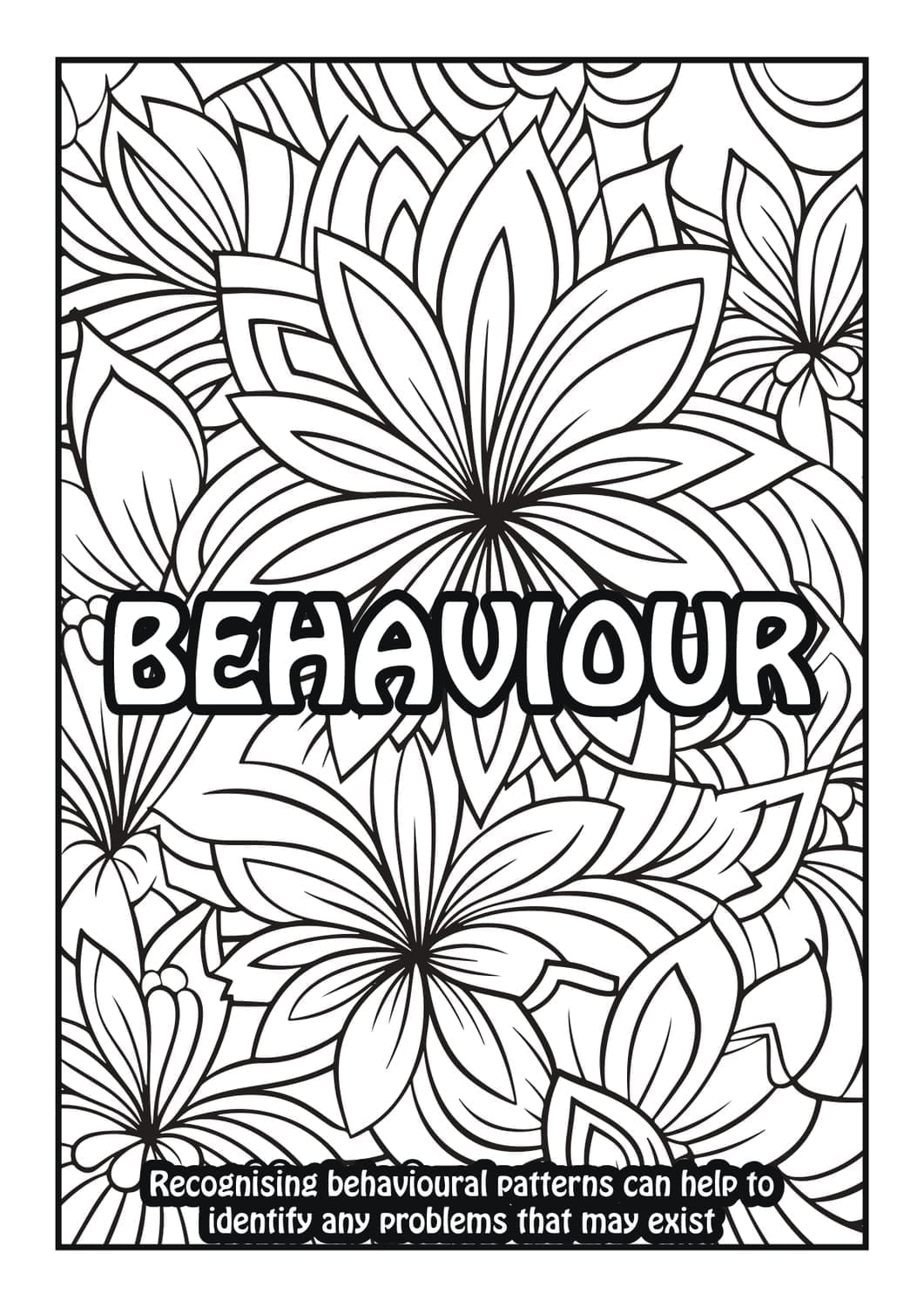
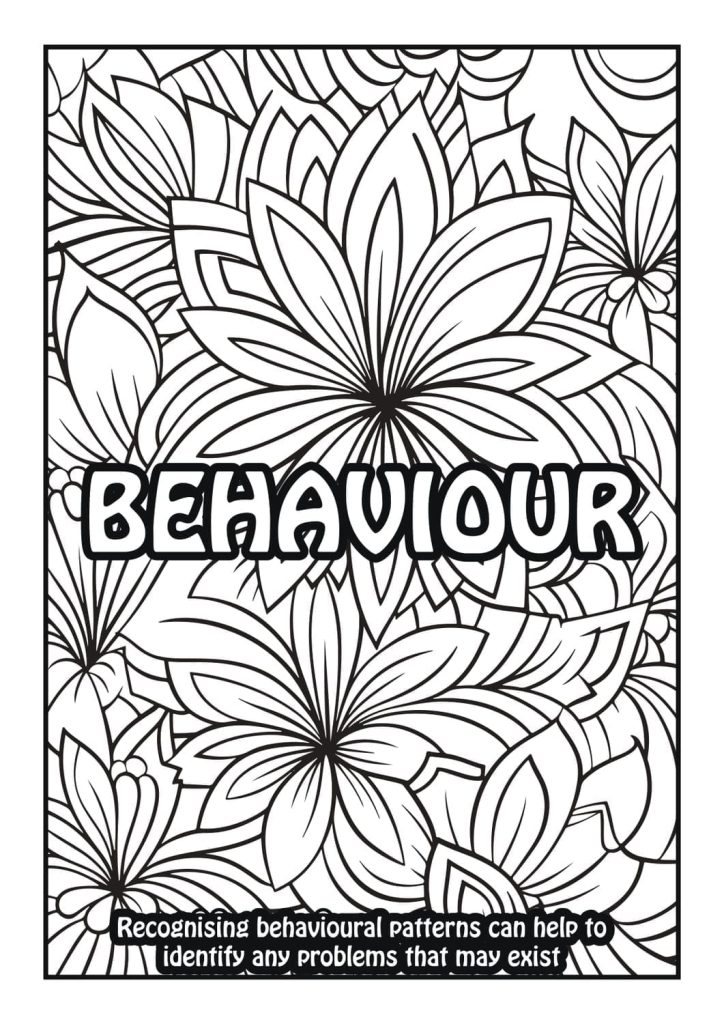
Every page combines detailed artwork with a concise prompt connected to thoughts, feelings, behaviours, perspective or everyday wellbeing. The prompts are invitations rather than tests.
- 50 large-format A4 pages
- CBT-inspired reflection wording
- Printed book and separate eBook
- Suitable for personal and supported use where appropriate
03 · Practical guidance
Keep wellbeing claims proportionate
Colouring can be enjoyable, grounding or calming for some people, but it is not a guaranteed response to anxiety, low mood or distress. Youth workers should avoid promising that the activity will make someone feel better and should never use it instead of appropriate mental health or safeguarding support.
The CBT-inspired prompts are best treated as conversation starters. They may support general emotional awareness, but they do not amount to therapy or a clinical programme.
A simple process
Set up an optional youth-group colouring station
Preview
Choose suitable pages, check language and prepare another activity for anyone who does not want to colour.
Explain
Tell the group that prompts are optional and personal responses do not have to be shared.
Be present
Join the space without monitoring artwork for meaning, and listen if a young person chooses to talk.
Close clearly
Give notice before the activity ends and agree what happens to completed or unfinished pages.
Choose your format
One complete resource. Two practical ways to use it.
Mindfulness Colouring Book
A ready-to-use physical book with all 50 pages together.
Mindfulness Colouring eBook
Download the eBook and print authorised pages when needed.
Questions answered
Frequently asked questions.
These answers describe the resource accurately and avoid promises that a colouring book cannot make.
Can the resource be used in a drop-in setting?
Yes, if the activity is supervised appropriately, participation is optional and the service plans for safeguarding, materials, accessibility and privacy.
Does a youth worker need to teach CBT?
No. The book is not a CBT curriculum. Workers can use a prompt at a general level within their competence and role without presenting themselves as therapists.
Can one eBook be printed for a whole organisation?
That depends on the licence purchased. Contact EZ Wellbeing for group or organisation use before making multiple copies.
What if a young person discloses a concern?
Listen, do not promise secrecy you cannot keep, and follow your organisation’s safeguarding and support procedures. The colouring activity does not change those responsibilities.
Important support information
A colouring book is not crisis or clinical support.
Talk to a GP or qualified mental health professional when distress is persistent, worsening or affecting daily life.
EZ Wellbeing
Create a calm, choice-led activity space.
View the resource or request pricing for youth groups and community organisations.